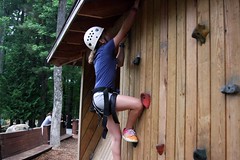

 As parents, we are always on the lookout for experiences that help our children learn new skills. We enroll them in music lessons, martial arts, sports, theatre, choir and, of course, summer camps. But we all know that the best programs (and the best educational experiences) are ones that go beyond the basics of teaching skills to help develop our children’s character. The basics of character — trustworthiness, respect, responsibility, fairness, caring and citizenship — are all essential ingredients in summer camp experiences.
“Camp teaches values such as self-esteem, teamwork, and caring — areas where traditional schools sometimes cause more detriment than good. And camp allows everyone, not just the top student and the best athlete, to thrive and enjoy the process of learning,” says Peg Smith, CEO of the American Camp Association (ACA).
 Everything we’ve written about on this blog so far — being ready for camp, unplugging from the digital world, traveling to camp, developing interpersonal communication skills, interacting with camp counselors, participating in camp traditions, and learning new sports and skills all contribute to building character.
When mom Martha realized that her son Jaden had come home with crucial life skills — taking care of himself and making good choices — she knew that camp had served a crucial role in his life.
“I felt like they were living a free life,” she says. The rules were there, just not stressful. This kind of independence creates the necessary space for the foundations of character to blossom. “I could not believe the person he had become – just a new person – totally confident in himself,” she says.
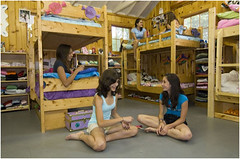
 It’s no surprise, really. Camp activities, to be successful, require all the participants to have self-discipline and an unselfish sense of camaraderie. “There is just something about living with a group of boys,” mom Wendy says after sending her only son Justin to camp for the first time. Living communally in cabins and bunks requires teamwork, creativity and a willingness to work together.
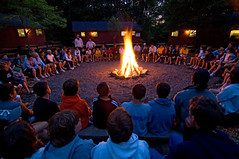
The camp directors, staff and counselors deserve much of the credit for the character development Martha and Wendy saw in their sons after just a few weeks at camp. They work hard to develop programs that bring a diverse community together around common values and goals, and everyone benefits – campers, parents and staff, and the world they come back to each fall, bringing their good character with them. Camp is about educating the whole child and allowing them to flourish, so that we all as a society may do so.
Olivia, Guest Contributor






 In
In