

 With the Center for Disease Control and Prevention (CDC) reporting that nearly 1 in 5 children between the ages of 6 and 19 is obese, it has become imperative that we, as parents, make as much effort to set our children up for success in establishing proper food habits, just as we would in other areas of their lives. Three primary causes consistently cited for childhood obesity are lack of physical activity, an unbalanced diet and overeating. An often overlooked benefit to summer camp is the significant impact it has in curbing childhood obesity by promoting an active lifestyle and healthy eating practices. In this multi-part series, we will examine the efforts being made by summer camps to battle poor diet and exercise.
Part I. Physical Activity
Beyond traditional summer camp sports such as soccer, basketball, baseball, roller hockey and 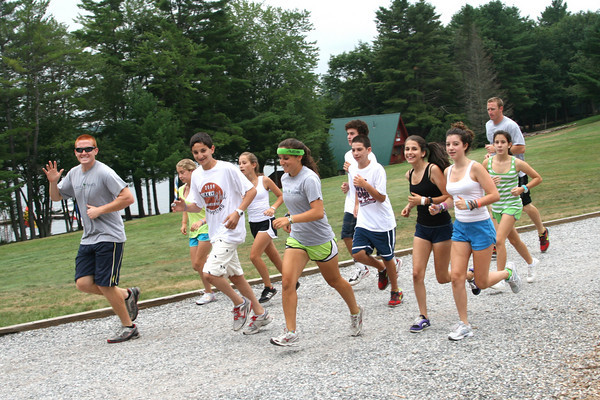 gymnastics, many camps are increasingly focusing on the development of extensive programs for such popular fitness activities as spin, running, weights, zumba, yoga and the martial arts. The instant popularity of these programs suggests that children have a natural interest in exercise and will engage in it of their own accord in the absence of many of the daily distractions that promote a more lethargic lifestyle but are not readily available at summer camp, such as computers, video game systems and television. The ability to participate in fitness programs as a form of fun also encourages campers to approach such activities with an open mind rather than as something forced on them and that is only done out of necessity.
Some camps are also experimenting with nutrition programs that marry cooking activities with fitness. Such programs teach campers how to plan healthy meals and snacks and then prepare them. Cooking programs are among the most popular at summer camp. To merge them with nutrition is a clever way to demonstrate the importance of using discretion in choosing what we eat and consuming it in moderation. In the past, the idea of “diet,” as in depriving oneself of necessary nutrients, has been cited as a contributing factor in the growth of eating disorders and yo-yo dieting.
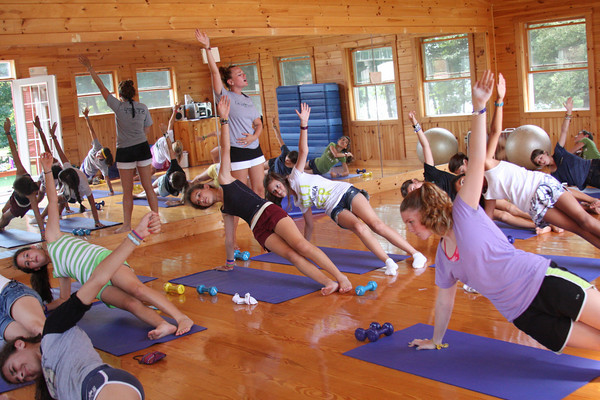 For those who question the lasting effects of fitness and nutritional habits adapted at summer camp, statistics indicate that they won’t be going away anytime soon. According to the American Camp Association, more than half of children who pursue a new interest at camp will continue pursuing that interest once they return home.
Up next, part II. An Unbalanced Diet











 In
In