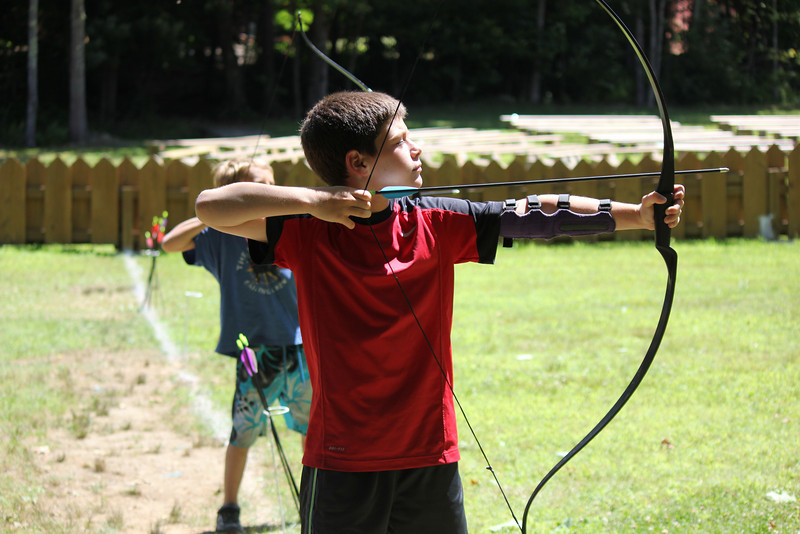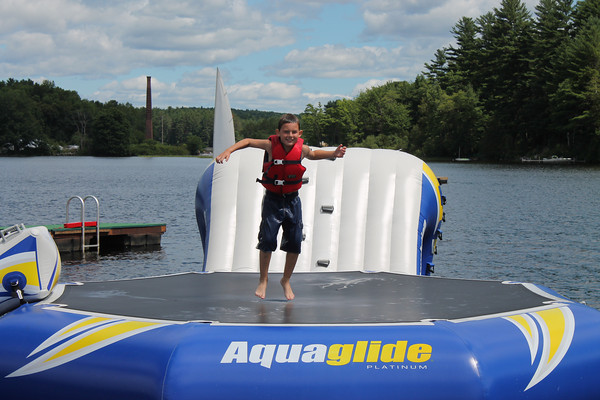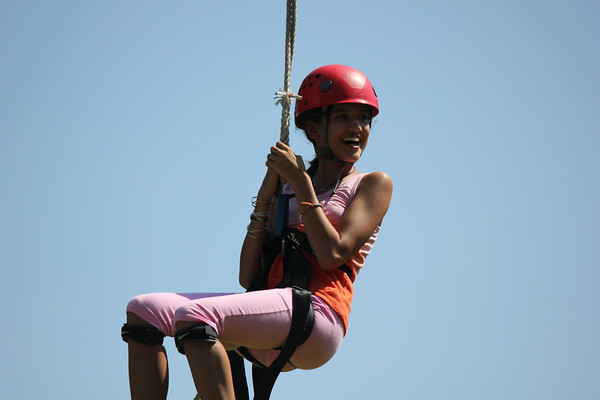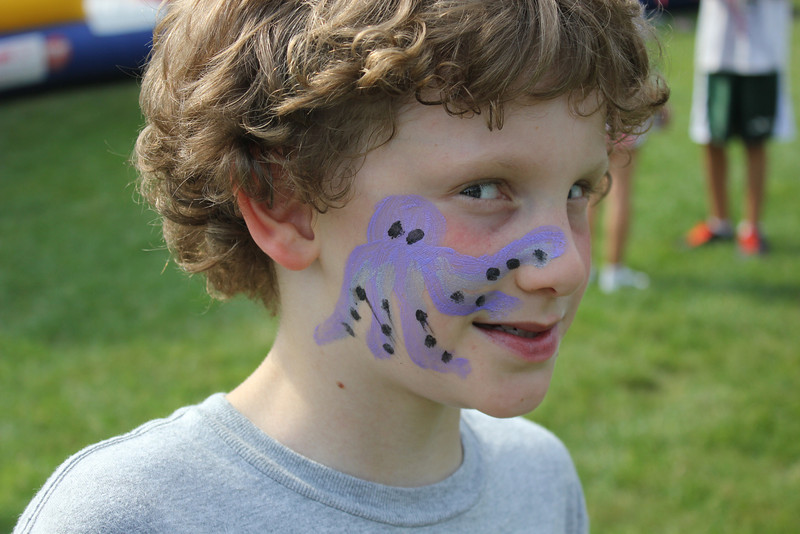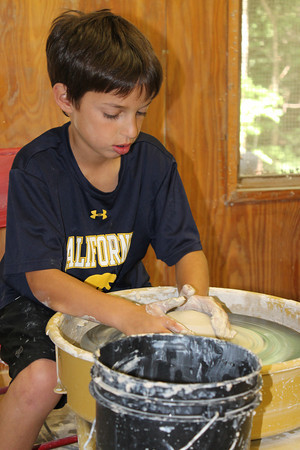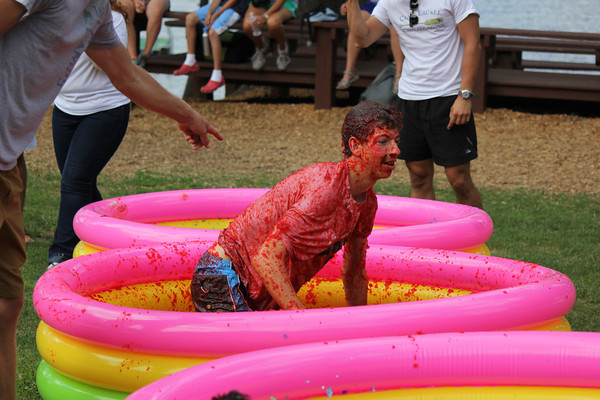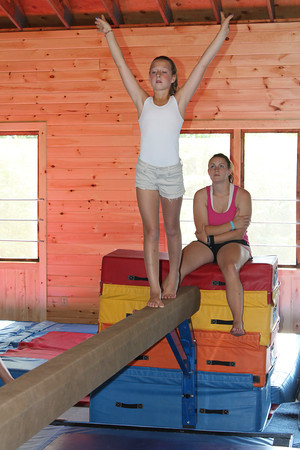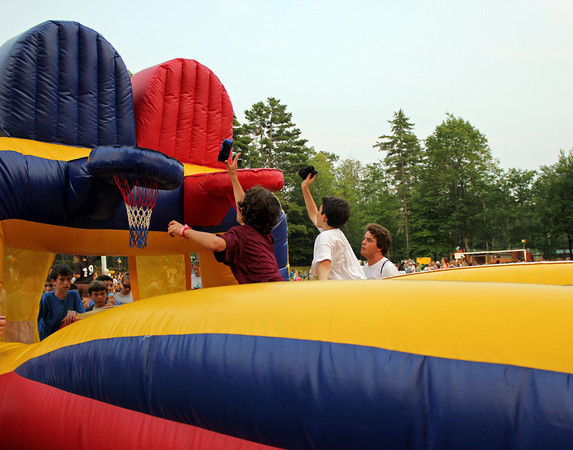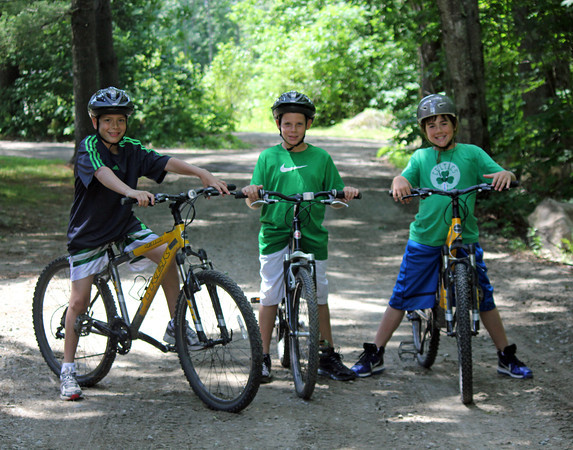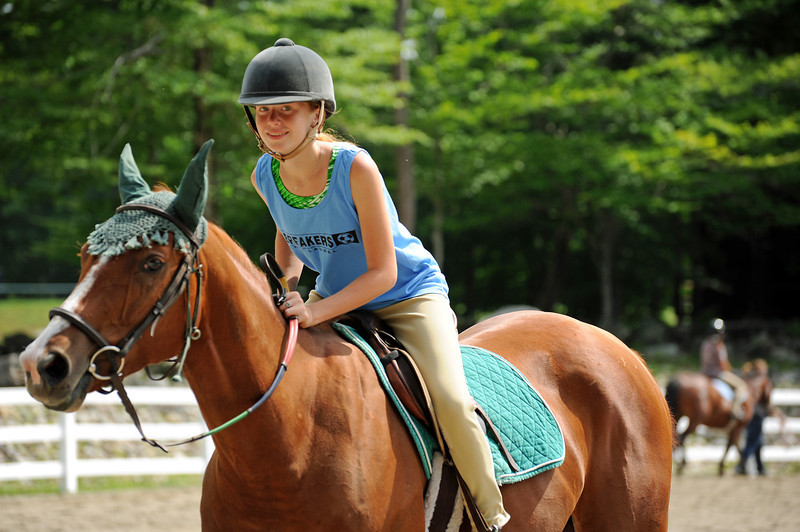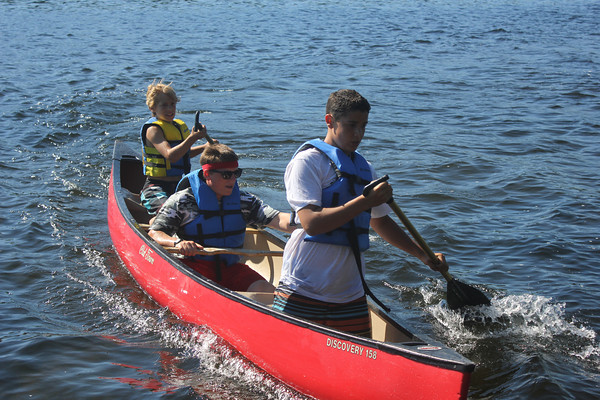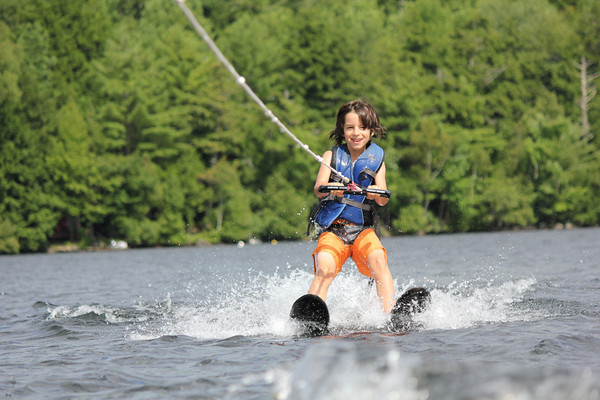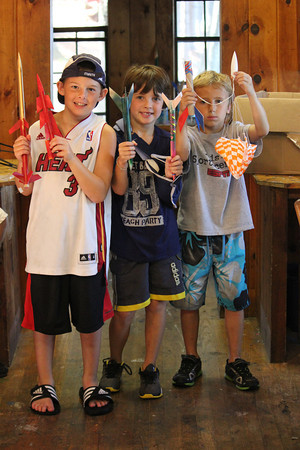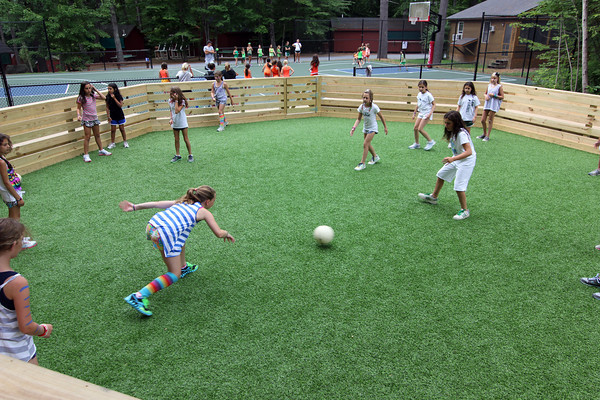

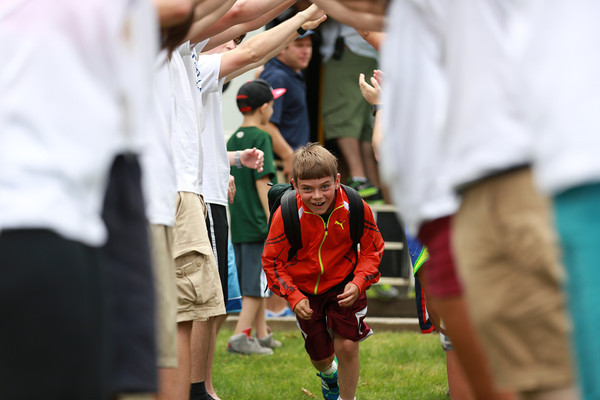
 At one of America’s Finest Summer Camps, a first year camper, upon stepping off the bus on arrival day for the first time, immediately exclaimed, “I’ve been waiting for this moment my whole life!” The awe of that young camper at that moment was very reminiscent of the scene in The Little Mermaid in which the young mermaid Ariel finds herself on land for the first time and, with her new legs, begins experiencing a whole new world. She is mesmerized by the smallest human things—flatware, trinkets, and mirrors. For young campers who finally get to come to camp for the first time after sometimes waiting their “whole lives,” there is a sense of wonder in being in a new place with different people and things. They are surrounded by literally dozens of activities that perhaps they’ve never tried and, sometimes, of which they’ve never even heard. Like Ariel the mermaid, they sometimes hear about the world of camp from older siblings for years before finally getting to experience themselves. With that newness and the adventure of being in a place one has dreamed for a very long time comes a sense of openness and a willingness to try new things. New campers often want to try EVERYTHING!
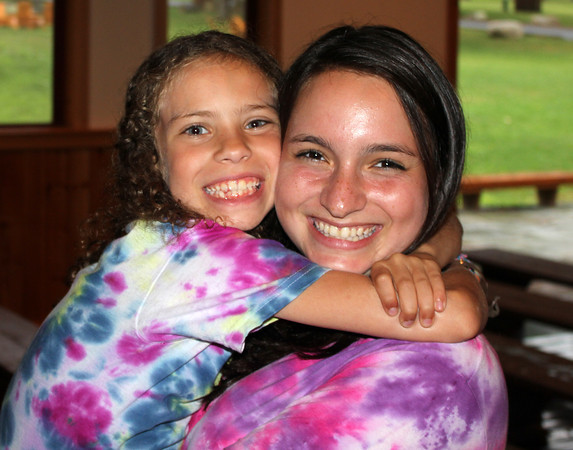
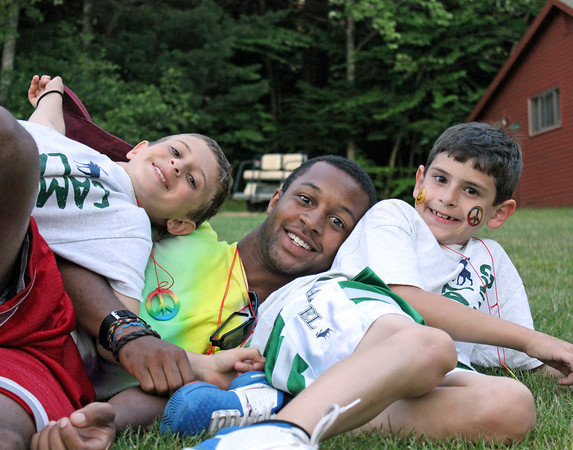
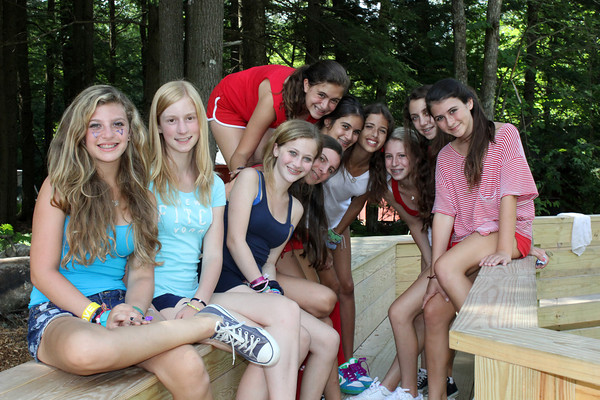
And why not? What better way to discover which things one loves than at summer camp, an environment in which many new campers are away from their parents for the first time? There is no sideline pressure from over-zealous parents and coaches at camp sports. There are no teachers to mark right from wrong. Instead, new campers are surrounded by supportive counselors, staff, and friends, many of whom are also first time campers and that natural empathy creates an atmosphere conducive to bonding and the formation of lasting friendships.
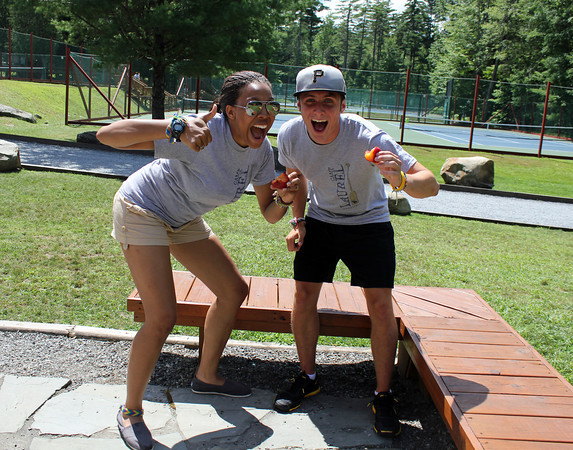
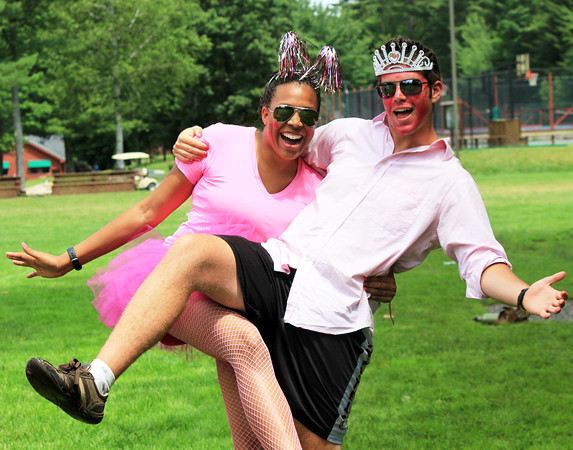
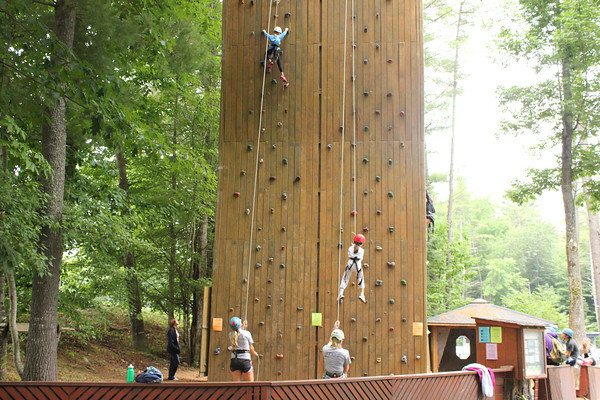
As campers maneuver the new world of camp, they share like experiences. Whether big, like taking on a high ropes course for the first 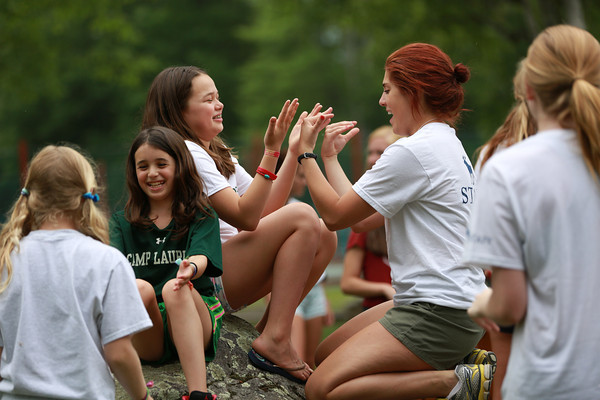 time as a cabin or small, like learning how to bait a fishing hook, learning what camp is all about becomes the foundation for the transformation of the new world of first time campers into the special world of camp. Because the menu of camp activities constantly expands and evolves, there is a perpetual newness to the summer camp experience. Even though, for older campers, camp becomes a special place to which campers get to journey once a year, that essence of being a whole new world lives on summer after summer and is what drives campers to spend their winters counting down for that annual journey to experience it.