
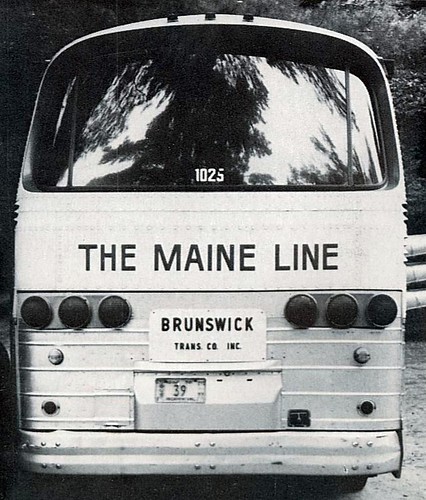
 In today’s hyper-fast, multi-tasking world, one of the great attractions of camp is tradition. Each camp passes down its own stories and lore. Campers appreciate that they’re enjoying some of the same activities, in the same way, as campers before them have done for generations.
But few people realize just how much history the camp industry embodies.
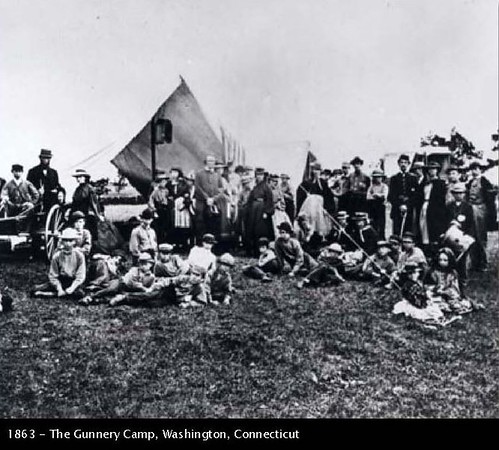 The first camp – called the Gunnery – was founded in 1861 in Washington, Connecticut. That’s right — camping is as old as the Civil War, and this year celebrates its 150th anniversary. Early campers enjoyed boating, fishing and trapping. It’s pretty impressive that two of those activities survive at camps, a century and a half later.
An 1876 camp was created to take “weakly boys” into the woods. We wouldn’t use those terms today – but camps still serve all kinds of children, in all kinds of ways. And we’re still in the woods.
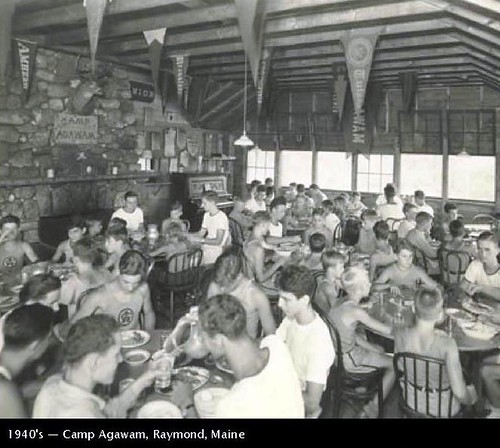 The first YMCA camp was Dudley, in 1885. It’s still around – the longest continually operating camp in the United States. Scores of other camps date back to the late 19th and early 20th centuries.
With over 100 camps – some dating back 100 years, welcoming scores of camping “generations” – Maine has long been one of camping’s most popular states.
Boasting crystal-clear lakes, pine forests, mountains and (don’t worry) moose, Maine is (like camping itself), “easy to get to, but very difficult to leave.”
Camping boomed nationally in the 1950s and 60s – along with much of post-war America. In 1948 the American Camping Association adopted Standards – the basis for ACA camp accreditation. There are currently 300 Standards for health, safety and programs. They’re recognized by courts and government regulators – a seal of approval for any camp to which parents entrust their most precious possessions.
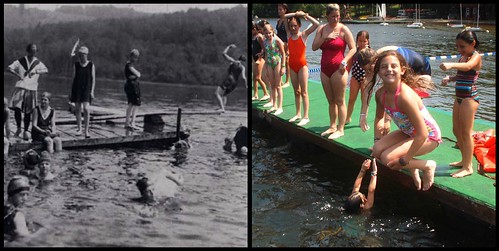
The ACA was a pioneer in anti-discrimination resolutions. The first was adopted in 1950. Since then, the industry has continued to emphasize youth development. Camp directors constantly study research in areas like child and adolescent development, and risk prevention. They understand that positive experiences, strong relationships, challenging opportunities and solid personal values are vital to helping young people grow into healthy, caring and responsible adults.
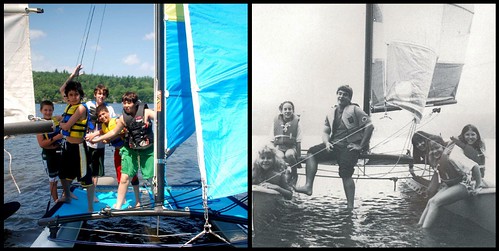
Frederick W. Gunn and his wife Abigail might not have used terms like those 150 years ago, when they founded The Gunnery Camp. But they intuitively understood the many benefits that camping provided. All of us in this important industry proudly honor the traditions of the past.
My colleagues and I will not be here 150 years from now to carry them on.
But we’re confident our successors – and our camps – will.
Sincerely,
Jeffrey
Guest Blogger and former Maine camper and counselor
*Historical photos courtesy of the American Camp Association – www.acacamps.org