
“The organized summer camp is the most important step in education that America has given the world.”
Charles W. Eliot, former president of Harvard University, 1922
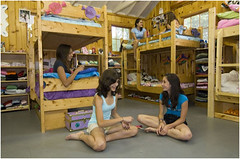
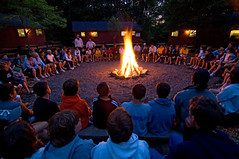
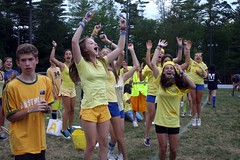
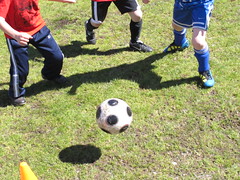
If you’ve been following this blog for a while, you know that we’ve focused a lot on how much fun kids have at camp — learning new sports; spending time with friends old and new; going on amazing trips; connecting with friends and counselors. But camp is also an educational experience for the children. We’re so used to education being “school” that it’s a real shift in perception to see lacrosse, tennis, living in a cabin, and other camp activities as education; but educational activities they are, as many parents can attest now their kids are back in school!
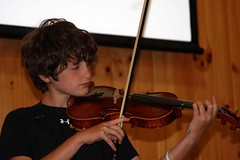 Summer camps make a huge difference in the year-round education of our children, but it may require a shift in our thinking about what education is and can be. The American Academy of Pediatrics, alongside many other scholars of child development, explains why, as “Play is essential to development as it contributes to the cognitive, physical, social, and emotional well-being of children and youth.” Our kids learn while playing and they are learning important things about themselves as independent social beings, collaboratively working with others and consequential behaviors such as self reliance, responsibility and accountability.
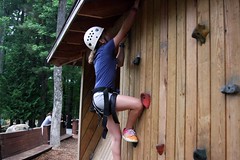 So what kind of difference can summer camp make to your child’s development? As the Executive Director of the American Camp Association, Peg Smith has been telling the world for years, opportunities for growth and development exist in natural settings that promote experiential learning, improve social skills and physical fitness, teach children to take calculated risks in a safe environment, and expand the creative mind. The environment our kids learn in is important, and nothing beats Nature.
As you can see, summer camp is one of the most precious educational gifts you can give your children. If you would like to read more, check out The Experiential Classroom: Camp by Marla Coleman in The American Camp Association’s Camping magazine. We’d also like to hear what you believe summer camp has taught you and your children! Please feel free to share in the comments section below.
Olivia