
What do camp counselors learn at camp that helps them later in life? The specific answers to that question are varied, but one thing remains constant—camp has a big impact on individual lives long after campers grow out of their camping and counselor years. Recently ReadyMade magazine featured Kelly Stoetzel in its regular series about awesome jobs. Kelly works for TED, a nonprofit devoted to “ideas worth spreading” and spends her days interacting with fascinating people from around the world who work to make things better. What was her first job? Camp counselor! And what does she list as her “Best Job”? Camp counselor!
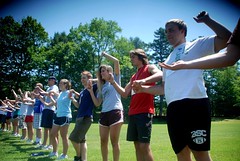
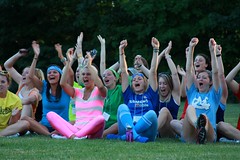
 Kelly learned that “being a camp counselor is all about leading a group of people into enthusiasm,” and that continues to be important in her job today. Just as campers and staff still gather each summer—sometimes for the first time and sometimes after waiting all year just to come back—Kelly went to camp! There, learning, personal growth, fun and friendship blossomed during intense times and life-long skills and ideas were forged. Camp operates as a microcosm of experiences that mirror real-life situations as everyone negotiates friendships and different personalities, tries new things and finds their unique role in the group. If you’ve been a camper or a counselor, you know what I’m talking about. You also know that facilitating fun and teamwork takes creativity and enthusiasm. (If you’re thinking about being a counselor, camp is an incredible way to learn skills and prepare for future jobs!)
One counselor puts it this way, “Many aspects of camp allowed counselors to forget life outside of camp and just live in the present focusing on how to facilitate fun in the moment. I don’t think you get to do that as frequently in other life experiences, or at least you are not encouraged to do it as frequently.” She goes on to state that these skills are important in any profession and that camp administrators also served as references for her later jobs. For this counselor, camp led to asking questions about larger social structures at work in the world which led to going to graduate school and a career as a professor!
 Another famous camper, Disney’s Michael Eisner, credits his many happy years at camp for teaching him to be honest, loyal and “willing to help the other fellow.” He’s quoted as saying, “Working in business can be another canoe trip!” You can read more about the impact camp had on Eisner’s life and career in his book Camp where he shares his memories and multiple lessons learned. If you’re a social and outgoing person and drawn to the opportunity to lead with enthusiasm, camp counselor could be the summer job for you–check out the AFSC website for more information.
Do you already have “camp counselor” on your resume? How has that experience contributed to your life or career?
Emma










 In
In